
AI Writing Tools for Blog Posts
The Rise of AI in Blog Content Creation
AI writing tools are software applications powered by artificial intelligence that help create, optimize, and enhance written content for blogs. These tools leverage natural language processing and machine learning to generate human-like text based on prompts and parameters provided by the user.
For modern blogging, AI writing tools have become essential because they accelerate the content creation process, help overcome writer’s block by generating fresh ideas, and enable content creators to scale production for multiple blogs or extensive marketing campaigns. As content demands continue to increase, these tools provide the efficiency needed to maintain consistent publishing schedules without sacrificing quality.
My Take: The adoption of AI writing tools represents a significant shift in content production methodology. These technologies aren’t merely convenience features but have become competitive necessities in the fast-paced digital publishing landscape. Market consensus indicates that content teams leveraging AI tools can produce up to 3x more content while maintaining consistent quality standards.
Core Features and Capabilities for Blog Posts
Automatic Content Generation & Drafting
AI writing tools can generate full blog post drafts from simple prompts, offering content brief generation and outline creation functionalities to structure blog posts effectively. Users typically input a topic, keywords, and desired tone to initiate content generation, with the AI handling the heavy lifting of creating initial drafts.
SEO Optimization & Keyword Integration
These tools assist with keyword integration and SEO optimization to improve blog post visibility. Many AI writers connect with dedicated SEO analysis tools such as Surfer SEO or Clearscope for enhanced content optimization, helping content rank better in search results.
Tone, Style, and Readability Adjustments
Users can typically adjust the tone and style of the generated content to match their brand voice. AI tools also offer grammar, spelling, and sometimes plagiarism checks, ensuring content is not only on-brand but also professionally polished.
Content Repurposing and Expansion
AI can repurpose long-form content into shorter blog posts or social media snippets, and capabilities often include rephrasing sentences, expanding on short ideas, and summarizing content. This versatility allows content creators to maximize the value of their ideas across multiple formats.
My Take: The feature sets of modern AI writing tools extend far beyond simple text generation. The most valuable aspects are often the integrated workflows that combine ideation, drafting, optimization, and refinement. Users typically report that the SEO integration capabilities deliver the most tangible ROI, as they directly impact content performance metrics rather than just saving time.
Typical Workflows: How Bloggers Use AI
From Idea to Outline: Streamlining the Planning Phase
AI writing tools help overcome writer’s block by generating fresh ideas and starting points for content. They can create structured outlines based on keywords and topics, establishing a solid foundation for blog posts before detailed writing begins.
Drafting and Editing: Accelerating Content Production
These tools accelerate the initial drafting phase of blog post creation, saving significant time. Iterative editing and refinement of AI-generated drafts are common practices to achieve desired results, with the human writer guiding the AI toward the final vision.
Optimizing for Search Engines and Engagement
AI tools can assist in generating blog post metadata, catchy titles, and compelling descriptions. They help ensure content meets SEO requirements while remaining engaging for human readers, striking the critical balance between optimization and readability.
My Take: The most effective AI writing workflows maintain human oversight at strategic checkpoints. The technology excels at reducing time spent on initial drafting and repetitive optimization tasks, but market data suggests that completely automated content production typically underperforms. Users typically report the highest satisfaction when using AI as a collaborative partner rather than a replacement for human creativity.
Who Benefits Most from AI Blog Writing Tools?
Content Marketing Teams and Agencies
AI writing tools are ideal for content marketers managing high volumes of blog content. They enable teams to maintain consistent output while focusing human creativity on strategy and refinement rather than initial drafting.
Solo Bloggers and Small Business Owners
These tools are beneficial for small business owners who lack dedicated writing staff. They level the playing field, allowing independent creators to produce professional-quality content at scale without large teams.
SEO Professionals and Freelance Writers
SEO specialists use these tools to create keyword-rich blog content efficiently. Freelancers can increase their output and take on more clients while maintaining quality standards, effectively increasing their earning potential.
My Take: The value proposition of AI writing tools varies significantly by user segment. For agencies and high-volume producers, the efficiency gains translate directly to increased capacity and revenue. For small businesses and solo creators, these tools often represent access to professional-level content that would otherwise be out of reach due to budget or expertise limitations. Market consensus indicates that the ROI is highest for users who need to produce at least 4-8 pieces of content monthly.
Top AI Writing Tools for Blog Posts (Comparison)
When selecting an AI writing tool for blog content, several leading platforms offer distinct advantages depending on your specific needs and workflow requirements.
Comparison Grid: AI Writing Tools for Blog Posts
Jasper
Best for long-form blog content with strong structure and consistency.
- Long-form drafting
- Brief + outline support
- Brand voice control
Writesonic
Best for fast drafting and multi-format content creation.
- Rapid drafts
- Rephrase + expand
- Summaries + variations
Copy.ai
Best for marketing-focused sections like hooks, intros, and CTAs.
- Intros + conclusions
- Marketing angles
- Idea generation
Surfer SEO
Best for on-page SEO optimization and content scoring workflows.
- SEO optimization focus
- Keyword guidance
- Search performance alignment
Semrush Content Marketing Platform
Best for content planning + SEO research in a broader marketing suite.
- Topic research
- SEO + planning workflows
- Content audit support
ChatGPT
Best for flexible ideation, outlines, and iterative drafting with prompts.
- Idea + outline generation
- Draft assistance
- Highly flexible prompting
Jasper: Advanced Features for Long-Form Content
Jasper specializes in generating comprehensive long-form blog content with advanced features for maintaining context throughout lengthy articles. The platform offers content brief generation and outline creation functionalities to structure blog posts effectively, making it particularly valuable for in-depth, authoritative content.
Writesonic: Speed and Versatility for Various Formats
Writesonic focuses on speed and versatility across different content formats. It excels at quickly generating blog drafts while offering capabilities for rephrasing sentences, expanding on short ideas, and summarizing content. This makes it suitable for bloggers who need to produce varied content types efficiently.
Copy.ai: Focus on Marketing Copy and Blog Sections
Copy.ai specializes in marketing-oriented blog content with particular strength in generating compelling introductions, conclusions, and promotional sections. It helps overcome writer’s block by generating fresh ideas and starting points for content, making it valuable for marketing-focused bloggers.
Surfer SEO & Semrush Content Marketing Platform: AI-Assisted Content Optimization
These platforms focus on SEO-driven content creation, offering AI writers that connect with dedicated SEO analysis tools for enhanced content optimization. They assist with keyword integration and SEO optimization to improve blog post visibility, making them ideal for search-focused content strategies.
ChatGPT: The Foundational AI for Idea Generation and Drafting
ChatGPT offers flexible, conversation-based content generation that excels at ideation and initial drafting. While lacking some specialized blog features of dedicated platforms, its versatility and improving capabilities make it a valuable tool for bloggers who need assistance with idea development and preliminary content creation.
My Take: Each platform in this ecosystem has carved out a distinct positioning. Jasper has established itself as the premium option for serious content producers requiring depth and consistency. Writesonic and Copy.ai offer strong middle-market solutions with different specializations in speed versus marketing optimization. The SEO-focused tools deliver the most measurable performance improvements for search visibility, while ChatGPT provides the most flexible foundation for creative ideation. Market consensus suggests specialized tools typically outperform general-purpose AI for specific content workflows.
Limitations and Considerations
The Need for Human Oversight and Fact-Checking
Generated content often requires human editing for accuracy, originality, and to infuse a unique brand voice. Fact-checking is crucial as AI can sometimes ‘hallucinate’ or present incorrect information as fact, making human verification an essential part of the workflow.
Potential for Generic Content and AI Detection
AI tools may produce generic or repetitive phrases if not guided with specific and detailed prompts. Ensuring originality and avoiding AI detection often requires careful prompting and significant human refinement to create truly distinctive content.
Ethical Implications and Transparency
Using AI for content creation raises questions about transparency with audiences and attribution of creative work. Additionally, these tools can struggle with highly nuanced, deeply specialized, or emotionally complex subject matter, requiring human expertise for sensitive topics.
My Take: The limitations of AI writing tools are not technical failures but inherent boundaries of current technology. The most significant concern for professional content creators remains the risk of factual inaccuracies and the potential for detection by increasingly sophisticated AI content identification systems. Users typically report spending 30-50% of their total content production time on human refinement of AI drafts to address these limitations, suggesting these tools are best viewed as accelerators rather than replacements for human expertise.
Choosing the Right AI Tool for Your Blog
Factors to Consider: Features, Integrations, and Scalability
When selecting an AI writing tool, consider your specific content needs, volume requirements, and existing technology stack. Many AI writing tools offer direct integrations with popular CMS platforms like WordPress, and some connect with SEO analysis tools for enhanced content optimization. The right choice depends on your particular workflow and content goals.
Future Trends in AI-Powered Blogging
Recent advancements include improved long-form content generation capabilities and factual consistency. The integration of advanced large language models (LLMs) like GPT-4 enhances the overall quality and coherence of output, suggesting that future developments will continue to close the gap between AI-generated and human-written content.
My Take: Tool selection should be driven by specific use cases rather than general capabilities. Organizations with high-volume blog production requirements benefit most from platforms with robust team collaboration features and CMS integrations. Those focused on search performance should prioritize tools with strong SEO optimization capabilities. Market data suggests that the most successful implementations involve strategic tool combinations rather than relying on a single platform for all content needs.
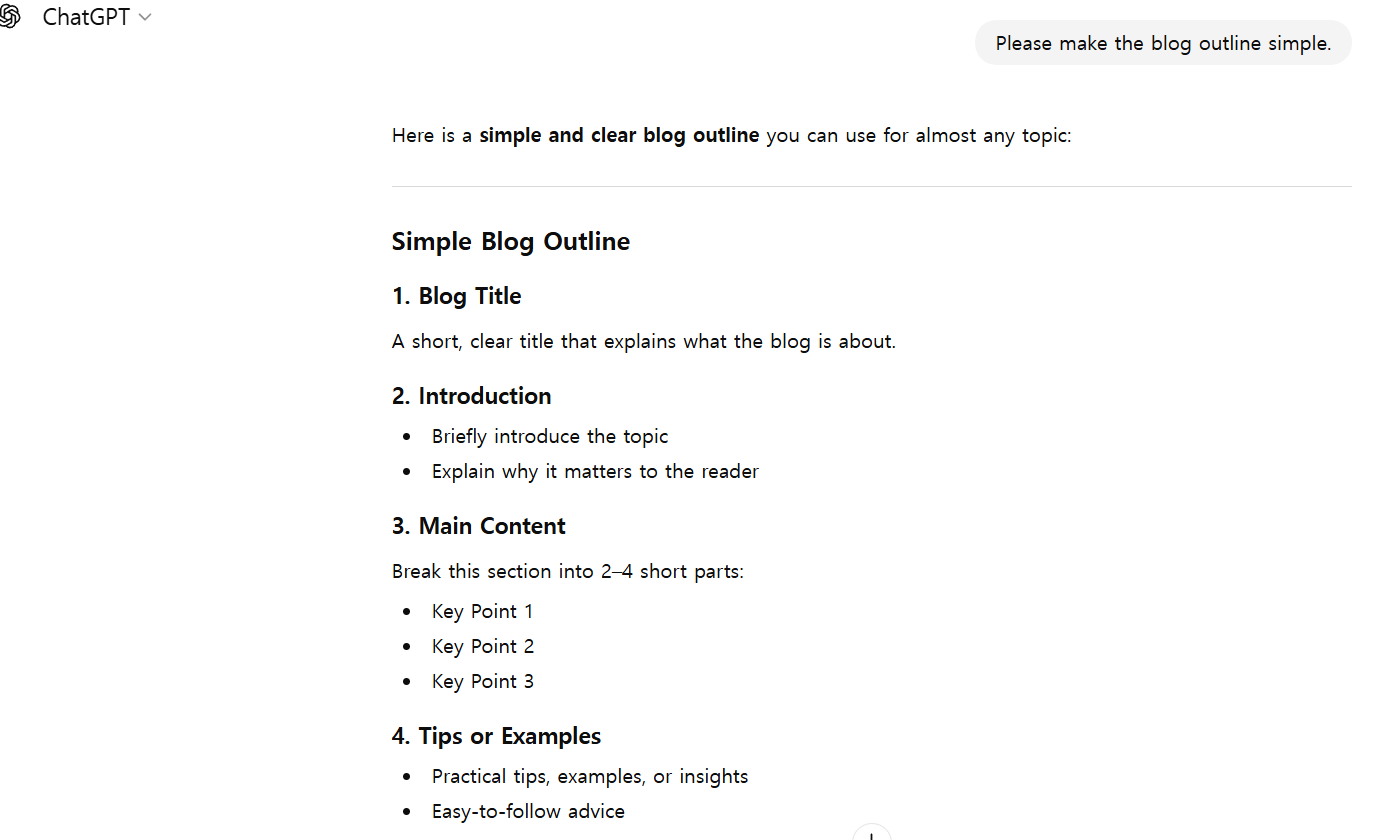
How I’d Use It: The “Sandwich” Method
If I were a blogger trying to post daily without burning out, I wouldn’t let AI write the whole post. I would use the “Sandwich” method.
Here is my 3-step recipe:
The Bun (Top): I write the Title and the Introduction myself. This ensures the “Hook” is personal and sounds like me, not a robot.
The Meat (Middle): I ask ChatGPT or Jasper to “Write 5 body paragraphs based on this outline.” This is the heavy lifting that usually takes hours.
The Bun (Bottom): I write the Conclusion and add my personal opinion at the end.
Bottom line: Readers connect with the beginning and end. AI fills the middle. This cuts my writing time from 3 hours to 45 minutes while keeping my “Voice” alive.
Conclusion: Empowering Your Blog with Intelligent Assistance
AI writing tools have transformed the blogging landscape, offering unprecedented efficiency and capabilities for content creators. While they cannot replace human creativity and expertise, they provide valuable assistance that enables bloggers to focus on strategy and refinement rather than routine writing tasks. By understanding the strengths and limitations of these tools, content creators can leverage them effectively to enhance their blogging workflow and output.
Pricing Plans
Below is the current pricing overview for the tools mentioned above:
- Jasper: $59/mo, Free Plan Available
- Writesonic: $15/mo, Free Plan Available
- Copy.ai: $29/mo, Free Plan Available
- Surfer SEO: $99/mo, No Free Plan
- Semrush Content Marketing Platform: $60/mo, Free Plan Available
- ChatGPT: $20/mo, Free Plan Available
Value for Money
When assessing value for money among AI writing tools for blog posts, Writesonic stands out in the entry-level category, offering a comprehensive feature set at a significantly lower price point than competitors. This makes it particularly attractive for individual bloggers and small businesses just beginning to scale their content operations.
For professional content teams and agencies, Jasper and Semrush’s Content Marketing Platform deliver stronger value despite higher price points, due to their advanced team collaboration features and integration capabilities. The additional cost typically pays for itself through increased production capacity and better content performance. Meanwhile, ChatGPT offers exceptional versatility at a modest price point, though it requires more manual work to achieve specialized blog formatting and SEO optimization than dedicated tools.
The premium pricing of Surfer SEO reflects its specialized focus on content optimization rather than generation. Its value proposition is strongest when paired with a primary writing tool, creating a comprehensive content creation and optimization workflow that maximizes search visibility and performance metrics.

Editor’s Summary
AI writing tools for blog posts now underpin many content workflows, from ideation and outlining to drafting, optimization, and repurposing. This article explains core capabilities, common use cases, ideal user segments, pricing, and value for money across leading platforms like Jasper, Writesonic, Copy.ai, Surfer, Semrush, and ChatGPT. It also highlights the ongoing need for human oversight, fact-checking, and strategic tool selection to balance efficiency gains with brand voice, accuracy, and long-term SEO performance.